If you’ve ever worked on a swimming pool build or renovation, you’ve probably spent hours debating which pipes to use. I’m in the business of HDPE pipes and fittings, and one question pops up all the time from pool contractors, homeowners, and even small pool shops: Can this stuff actually work for swimming pool systems? Let me cut through the noise, skip the corporate jargon, and break this down like I would for a guy calling my cell at 2 a.m. with a last-minute plumbing emergency. HDPE Pipes and Fittings
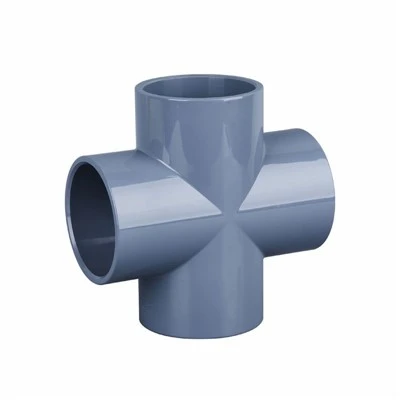
First, let’s get the basics straight. HDPE stands for high-density polyethylene—it’s that plastic stuff you see in milk jugs, grocery bags, and now a ton of outdoor plumbing projects. But back to pools: pools deal with weird, harsh conditions. There’s chlorine, right? And sometimes people add other chemicals like pH adjusters, algaecides, even salt for saltwater pools (that’s a big one lately). Plus, it’s damp, humid, sometimes super hot, and sometimes freezing cold. So any pipe needs to hold up to all that without leaking, cracking, or turning into a chemical soup.
Here’s the good news: HDPE is actually pretty resistant to most of that pool stuff. I’ve had customers run tests on HDPE in chlorinated water for years—we’re talking constant exposure to 3 parts per million (ppm) chlorine (the standard for residential pools) and even higher for commercial ones. From what we’ve seen, no degradation, no weird leaching. Wait, I know what some of you are thinking—“Plastic leaches chemicals!” I get the stereotype, but HDPE is different from those cheap PVC pipes that get brittle after a year in the sun, or the thin plastic hoses you drag around your yard. It’s a thermoplastic that’s made to be durable, so it doesn’t break down easily when it’s in contact with pool chemicals. The only thing to watch for? Too strong of an acid or base, but for most residential pools, the pH is balanced between 7.2 and 7.8, which is totally fine for HDPE. Saltwater pools, which use salt chlorine generators, are also a non-issue—salt doesn’t corrode HDPE like it can with metal pipes, so that’s a win.
Now, let’s talk about installation, because that’s where a lot of people mess up with HDPE, or any pipe for a pool. HDPE is flexible, right? That’s a pro and a con. The pro: you don’t need a bunch of fittings to turn corners or go around obstacles—you can bend it, which saves time on the job. The con: if you don’t secure it right when you bury it in the ground, it can shift, which causes leaks. I always tell my customers when they’re installing HDPE for a pool, make sure to use the right fittings—socket fusion or electrofusion, not the cheap glue stuff. Fusion is when you melt the ends of the HDPE pipes and fittings together so they become one solid piece, no seam there. That’s way stronger than glued PVC, which can come apart under the pressure of pool pumps. And don’t skip the support—when you bury it, use sand or gravel around it, not just dirt, so it doesn’t get crushed by the weight of the soil above. I’ve seen a guy cut corners once, buried HDPE in just loose dirt, and six months later the pipe got squished under a garden bed and stopped all water flow to the pool. Not a good look.
Pressure is another big one. Pool systems have a pump that pushes water through the pipes, so you need something that can handle that pressure. HDPE pipes are rated for pressure—we sell 160 psi rated ones, which is way more than the 40-60 psi most residential pool pumps put out. Even commercial pools, which have bigger pumps, are fine with HDPE. And here’s a bonus: HDPE has a smooth inner wall, so there’s less friction loss. That means the pump doesn’t have to work as hard to push water through the pipes, which saves on electricity bills. I’ve had a customer who switched from PVC to HDPE in his residential pool and saw his pump energy use drop by like 15% in the first year. That’s a real number, not a sales fluff stat.
But wait, let’s be honest—HDPE isn’t for every part of a pool system. The filter, the heater, the salt chlorine generator—those are metal or rigid plastic, so you’d use regular pipe there. But for the underground lines that run from the pump to the filter, from the filter back to the pool, the skimmer lines, the main drain lines? That’s all HDPE, no question. Also, if you’re doing a saltwater pool, HDPE is even better because metal pipes can rust or corrode over time, which gets little metal particles in your pool water. HDPE stays clean, no rust, so your pool water stays clearer longer.
I get it, some people are set on PVC because that’s what they’ve always used. But I’ve been doing this long enough to see contractors switch from PVC to HDPE and never go back. Let me throw in a real example: last year, a pool builder from Florida reached out to me. He was having constant issues with PVC lines cracking in the sun down there—temperatures get over 100°F, and PVC gets brittle and splits. He switched to HDPE, and in the year since, he hasn’t had a single leak in the underground lines. That’s a huge deal in Florida, where fixing a pool leak can cost thousands of dollars.
Another thing: cost. I know, some people think HDPE is more expensive upfront. But when you calculate the long-term cost, it’s a no-brainer. PVC might be cheaper to buy, but it’s more prone to leaks, needs replacements more often, and the higher friction loss means you’re paying more for electricity. HDPE lasts way longer—we’re talking 50+ years, which is basically the lifespan of a pool. PVC might last 20-30 years, if you’re lucky. So yeah, upfront is a bit more, but you’re not going to be tearing up your yard in 10 years to fix a pipe leak.
Now, let’s address the elephant in the room: is there any downside? Like, I said earlier, flexibility can be a con if you don’t install it right. Also, HDPE is sensitive to UV light if it’s exposed outside for a long time. If you’re running HDPE above ground (like, for a small spa connection that’s not buried), you need to wrap it in UV-resistant tape or use HDPE that’s formulated to block UV. That’s an easy fix, though—no big deal. And like I said, chemical resistance: if you’re using a super strong commercial algaecide or something that’s not standard pool chemicals, you should check, but for 99% of pools, HDPE is fine.
So, to wrap this up: yes, HDPE pipes and fittings absolutely can be used in swimming pool systems. They’re resistant to chlorine, salt, and other pool chemicals, handle pressure way better than PVC, save energy because of that smooth inner wall, last for decades, and are easy to install if you do it right with fusion fittings. The only rules are: use fusion instead of glue, support it properly when burying, and if it’s above ground, protect it from UV.
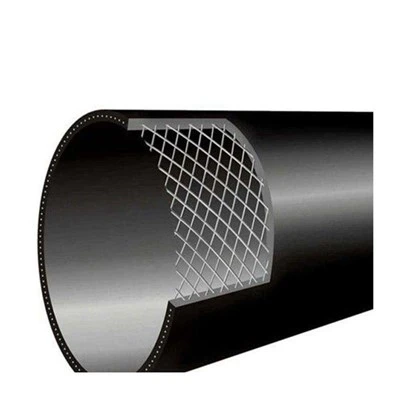
If you’re a contractor, a homeowner doing a pool project, or just someone curious, let’s chat. I’ve got HDPE pipes and fittings in all sizes, for residential and commercial pools, and I can help you figure out exactly what you need for your build. No sales pitch, just straight talk—this is what I do every day, so I know the ins and outs. Hit me up to talk about your pool project, get a quote, or even ask more questions about how HDPE works for pools.
PVC Pipe & Fittings References:
- Plastic Pipe and Fittings Association. (2022). "HDPE Pipes for Municipal and Residential Plumbing Systems".
- American Swimming Pool & Spa Association. (2021). "Guidelines for Pool Plumbing Material Selection".
- National Institute of Standards and Technology. (2020). "Performance of Thermoplastic Pipes in Chlorinated Water Environments".
- HDPE Pipe Manufacturers Association. (2023). "Chemical Resistance of HDPE for Outdoor Plumbing Applications".
Shanxi Kaisheng Plastic Co., Ltd.
As one of the most professional hdpe pipes and fittings manufacturers and suppliers in China, we’re featured by quality products and good price. Please rest assured to buy customized hdpe pipes and fittings made in China here from our factory. Welcome to contact us for quotation.
Address: No.72, Area S, Gate 1, Haohai Wumart, Fendong Street, Xiaodian District, Taiyuan City, Shanxi Province
E-mail: sxkssj8@163.com
WebSite: https://www.sx-kssj.com/
