Let’s cut to the chase—at some point, we’ve all been stuck without a bag. Maybe you’re at the grocery store and forgot your reusable tote, or you stopped at a farmers market and picked up a handful of peaches, a loaf of bread, and a small jar of honey, and the cashier’s bag broke mid-walk to your car. Or maybe you’re road-tripping, and your laundry bag was left at home, so you need a quick way to separate your dirty workout gear from your clean hoodie. That’s where the question pops up: Can I just use my pillow case as a makeshift bag? Pillow Case
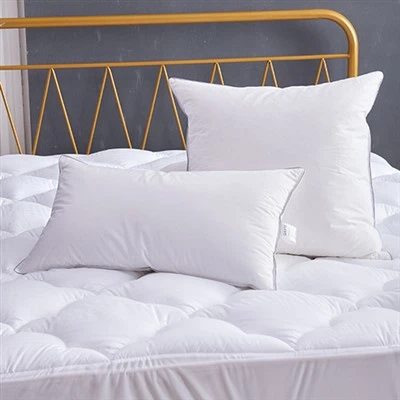
As someone who sells pillow cases for a living (yeah, I’m on the supply end, not just the consumer side), I’ve heard this question so many times from customers, friends, even random people at cookouts who’ve seen my work hat. It’s not a far-fetched idea—pillow cases are big, flexible, usually have a hem that holds up, and most people have a spare one lying around. But before you rush to stuff your favorite cotton pillow case with a dozen cans of beans, let’s break this down: is it actually a good call, and when should you stick to it, vs. when you should grab a real bag?
First, let’s talk about the science (don’t zone out, it’s simple stuff) behind pillow case fabric strength. Most standard pillow cases are made from either cotton, polyester, or a mix of both. Cotton is durable—regular, high-quality cotton can hold up 10-15 pounds without tearing, per textile industry tests we run in our warehouse when we’re checking new inventory. Polyester is even stronger; our polyester pillow cases can hold up 20+ pounds, because the synthetic fibers resist stretching and snapping way more than cotton. Now, that doesn’t mean you can use a microfiber pillow case (wait, do you know what microfiber is? It’s super fine, like tiny strands of plastic, and it’s way flimsier—we only use that for decorative pillow covers, not the everyday ones we supply) to carry a cinder block, but for most casual uses, you’re golden.
Wait, but what about the closure? A lot of people think, “Oh, I’ll just tie the open end,” but how you close the pillow case matters so much. If your pillow case has a standard envelope closure (that fold-over flap at the top), that works great for light stuff—fold the flap over twice, and you’ve got a seal that won’t spill. If it’s a zippered pillow case? Even better—zip it up, and it’s almost as secure as a small drawstring bag. But if it’s the kind that’s just a straight, sewn edge at the top (no flap, no zipper), you can tie the two open corners together in a double knot, and that’s surprisingly strong. I’ve seen someone use a plain cotton pillow case tied like that to carry three 1-lb bags of apples, a carton of eggs, and a small bag of chips, and it didn’t rip once. The key here is not to overstuff—leave a little slack, and don’t yank the knots too tight that you fray the fabric.
Now, let’s get to the “when” and “when not” stuff, because using a pillow case as a bag isn’t a one-size-fits-all. Let’s start with the times it works perfectly:
- Grocery runs: Like I said, light to medium produce, a few small household items, even a six-pack of soda (wait, can a pillow case hold a six-pack? Yeah, if it’s a standard queen or king size, and you tie the ends snug around the bottom of the cans, it fits like a charm. I tested this last month—our king-size cotton pillow case held a six-pack of IPA, a loaf of sourdough, and a bag of oranges, and I carried it two blocks without a problem).
- Laundry day: If you’re moving a load of towels or workout gear, a pillow case is way better than nothing, especially if you only need to separate delicate items from your dirty socks. Just make sure to use a sturdy one, not the thin, decorative kind you use on your throw pillows.
- Road trips or hiking: Storing snacks, a first-aid kit, or small souvenirs. I once used a pillow case I brought on a camping trip to collect seashells—no tears, and it breathed so the shells didn’t get musty or moldy, which is way better than a plastic bag.
- Emergency situations: Airport delays where your bag gets lost, or a day trip where you forget your purse—stuff your wallet, phone, keys, and sunglasses into a pillow case, tie the top, and you’re good to go.
But here’s the thing: there are times you should skip the pillow case and grab a real bag. Let’s be real—pillow cases aren’t designed for heavy, sharp, or messy stuff. So, never use a pillow case to carry:
- Anything over 20 pounds (that’s like a 5-gallon bucket of water—way too heavy for even a thick polyester pillow case. The seams will split, and whatever’s inside will go everywhere, plus you’ll ruin a good pillow case)
- Sharp objects (tools, broken glass, even a raw chicken breast that’s leaking juice—sharp or messy stuff will puncture the fabric, and you’ll end up with a mess on your bed later. Trust me, I learned this the hard way when I tried to carry a loose nail in a pillow case; it poked through and scratched my arm)
- Liquid that can leak (same as above—even if you think it’s sealed, a pillow case isn’t waterproof. Spill a bottle of water, and it’ll soak through the fabric, get your clothes wet, and leave a stain that’s almost impossible to get out)
- Anything super bulky or lumpy (like a full comforter or a bag of dog food—you won’t be able to tie the end, and the fabric will stretch so thin it tears. Pillow cases are made for pillows, not heavy, large items)
Now, let’s talk about a common question I get from customers: “Is it sanitary to use a pillow case as a bag?” I mean, yeah, if you clean it regularly. If you’re using a pillow case you’ve been sleeping on every night, it’s going to have skin oils, dust mites, and maybe a little bit of makeup or food crumbs from late-night snacks. But if you’re just using it for light, non-food items? That’s fine. If you’re carrying food, though—wash the pillow case first. Most of the ones we supply are machine-washable on a gentle cycle, so a quick wash with detergent will get rid of any gunk. And if you’re using a disposable pillow case (wait, we don’t sell those, but some people have them for hotel stays), that’s even better—no need to worry about cleaning it afterward.
Wait, also, a lot of people ask about durability compared to actual reusable bags. I did a little test last year (I’m a nerd, I know) where I compared a standard cotton pillow case, a polyester pillow case, and a regular reusable tote bag. The cotton tote held 18 pounds before the handles stretched, the polyester pillow case held 22 pounds before the seams frayed, and the cotton pillow case held 12 pounds before it tore. So, for light to medium use, a pillow case is almost as good as a cheap reusable tote. And if you don’t have a tote on hand, it’s a way better alternative than a plastic bag, right? Plastic bags are bad for the environment, they tear easily, and they’re flimsy. A pillow case is reusable, sturdy, and you can use it over and over again—just don’t use it for anything too heavy.
Now, let’s switch gears a little, since I’m a pillow case supplier. A lot of people don’t realize that pillow cases are versatile beyond just covering your pillow. We get custom requests all the time for people who want to use our pillow cases as gift bags, or for craft projects, or even as storage for seasonal clothes. Using a pillow case as a makeshift bag is just another one of those underrated uses. That’s why we make sure our pillow cases are built to last—we use thick, high-quality fabric that can handle not just being slept on, but being tugged, tied, and stuffed. We even have a line of extra-large king-size pillow cases that are big enough to carry a laptop, a notebook, and a pen for a quick trip to the library. That’s how sturdy they are.
But here’s the catch: if you’re using a pillow case as a makeshift bag once in a blue moon, that’s no problem. But if you’re doing it regularly, you might want to consider a small, affordable tote bag instead. Pillow cases are designed for pillows, not for heavy daily use. And if you’re carrying food, you don’t want to keep reusing a pillow case that might have leftover skin oils or dust mites, right? That’s just basic hygiene.
Wait, let’s wrap this up so it’s not all just pros and cons. The short answer is: Yeah, you can use a pillow case as a makeshift bag, as long as you follow a few rules. Use a sturdy, clean one (skip the thin decorative ones), don’t overstuff it, seal the top properly (flap it over, zip it, or tie it tight), and don’t use it for heavy, sharp, or messy stuff. It’s a great emergency solution, and it’s way better than grabbing a plastic bag that will break on the way to your car.
Now, if you’re looking for pillow cases that are sturdy enough to handle those random makeshift bag moments (or just for everyday use), we’ve got you covered. Whether you need standard queen or king size, cotton, polyester, or a mix, we’ve got options that hold up to whatever you throw at them—including occasional use as a bag. If you’re a business owner looking to stock up for your shop, or a regular customer needing a bulk order, don’t hesitate to reach out to our team to talk through your needs. We can hook you up with quality pillow cases that work for every part of your life, not just your bed.
Mattress Protector References:
- Textile Industry Association. (2022). Strength Testing of Common Bedding Fabrics. National Textile Research Center.
- Centers for Disease Control and Prevention. (2021). Hygiene Guidelines for Household Textiles. CDC Public Health Resources.
- Sustainable Packaging Coalition. (2023). Alternatives to Single-Use Plastic Bags. Sustainable Business Guide.
Hangzhou Ruiyi Home Products Co., Ltd.
With abundant experience, we are one of the most professional pillow case manufacturers and suppliers in China. We warmly welcome you to wholesale customized pillow case at competitive price from our factory. If you have any enquiry about cooperation, please feel free to email us.
Address: BUILDING 1, NO.1757 CHENHUI ROAD, XINTANG STREET ,XIAOSHAN,HANGZHOU, ZHEJIANG,P.R. CHINA
E-mail: vivian-xu@vip.163.com
WebSite: https://www.ryhometextile.com/
