Hey folks, let’s cut the jargon and get real about something we field every single day at our filter and separator shop: how pressure absolutely wrecks (or can save) the performance of the series we supply. For anyone who’s ever had a line go down because a filter stopped working, or a separator let something slip through that it shouldn’t—you know pressure isn’t just a number on a gauge. It’s the invisible hand that makes or breaks every part of our line. I’ve been in this game for 12 years now, started as a tech wrenching on industrial lines before moving into sales, so this isn’t some textbook regurgitation—this is stuff I’ve seen break plants, make clients thousands, and save our own bacon more times than I can count. Filter and Separator Series
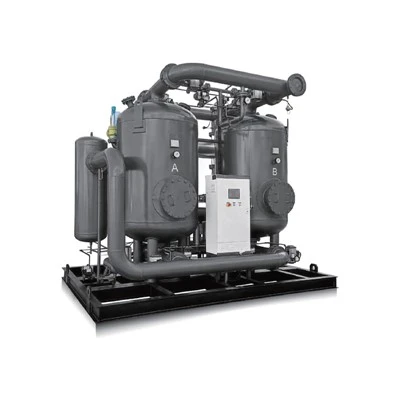
First off, let’s ground this: filter and separator series aren’t one-size-fits-all. We’ve got bag filters, cartridge filters, centrifugal separators, coalescing separators—each designed for specific pressure ranges, right? Push past that sweet spot, and even the best quality media or stainless steel casing will fold. Let’s start with filters, because that’s where most of the pressure pain starts. Think about what a filter does: it forces fluid (water, oil, gas, whatever) through a porous medium, trapping contaminants as small as a few microns. The pressure pushes that fluid through—too little, and it barely flows, making the unit useless; too much, and the medium tears, or the casing cracks, or you get something called “blinding” but not the kind you can fix with a band-aid. Wait, no, blinding is when contaminants pack so tight on the filter surface that it clogs up—wait, no, that’s when pressure can help, but only in moderation. Let’s take a common example: a food and beverage plant we work with in Ohio, they had a 10-inch bag filter set up for their water line, rated for 150 PSI. They cranked the pressure up to 220 PSI because they thought “more flow = faster production.” Within three weeks, half the bags had ripped open. The contaminants were getting through, their final product failed inspection, and they had to shut down a line for two days to swap out filters and upgrade the whole system to a 250 PSI rated series. That’s $40k in lost production, just because they ignored the pressure rating. I told them at the time, pressure is a lever, not a gas pedal. Don’t mash it.
Now separators are a whole different beast—these are the ones that split mixed phases: gas from oil, water from fuel, solid particulates from slurry, whatever. Centrifugal separators spin the mixture to throw the heavier phase (like water) to the outer wall, then drain it out. Pressure here is make-or-break because it affects two things: spin speed and phase density. Let’s take a natural gas processor in Texas we’ve worked with for years. They had a horizontal centrifugal separator in their pipeline that was rated for 800 PSI. A few years back, their upstream supplier started cranking the line pressure up to 950 PSI to move more gas. We noticed their separator’s liquid carryover was spiking—way more water and condensate was going into their downstream processing units, which was fouling their compressors. Why? Because when pressure goes up, the gas phase shrinks, right? The mixture is denser, so the centrifugal force the separator generates drops. The heavy liquid couldn’t get thrown to the wall fast enough, so it was getting swept along with the gas. We had to rebalance their separator’s inlet pressure control valve and swap a few internals to account for the higher pressure, and that fixed the carryover. That’s the kind of thing we deal with every day—pressure isn’t just a spec, it’s a variable that changes how your equipment acts, even if it’s the exact same model.
Wait, let’s not forget about pressure drop—this is the big one that most clients miss, and it’s where our filter and separator series really shine if you get it right. Pressure drop is the difference between the pressure at the inlet of the unit and the outlet. For filters, a low pressure drop means your fluid is flowing easily through the media, while a high pressure drop means the filter is clogged, and it’s working too hard. Too high a pressure drop can actually cause the filter to fail—again, because it’s under more tension, or the casing can’t hold. For separators, pressure drop affects how well the phases separate: if the drop is too big, you might get shear that breaks up liquid droplets, making them too small to separate; if it’s too small, the mixture isn’t moving through the separator fast enough, so phases don’t split properly. I’ve seen clients swap out cheaper filters just because they thought they were saving money, but those cheaper filters have a way higher pressure drop, so they have to run at higher pressure to keep flow up, which wears the unit out faster and leads to more downtime. That’s where our series stands out—we spec every unit with media that balances filtration efficiency and pressure drop, so our clients don’t have to choose between flow and performance.
Now, what about extreme low pressure? I know most of the horror stories are from too much pressure, but low pressure can mess things up too. Let’s say you’re working with a low-pressure steam line—if your filter or separator is rated for high pressure, running it at 10 PSI might not seem like a big deal, but the internals are designed for that higher pressure, so the seals might not seat right. We had a HVAC contractor in Florida come to us once because their low-pressure air separator was leaking everywhere. Turns out they bought a used unit off a auction that was rated for 100 PSI, but they needed it for a 15 PSI line. The rubber seals shrank, so they couldn’t hold pressure—even the low pressure of their line was enough to make it leak. We swapped them out for a series rated for low pressure, and fixed that. Pressure doesn’t just work both ways, it interacts with the whole system, not just the unit itself.
Here’s a myth I hear all the time: “If a little pressure is good, more must be better.” No. Pressure is a balancing act, and every single part of our filter and separator series is engineered to hit that balance for specific applications. Let’s talk about coalescing separators, which are used to combine tiny liquid droplets into bigger ones so they can be separated. Coalescing media relies on pressure to get the droplets to stick together, but too much pressure can break those droplets apart before they can merge. I had a client in the marine industry a while back—they were using our coalescing separators for their diesel fuel lines, but they were getting 10% more water carryover than they should. They were running the line at 50 PSI, and our spec said 30 PSI was ideal. When they dropped the pressure down to 30 PSI, the coalescing worked better, no more carryover. They saved $12k a month on filter replacements because they didn’t have to swap units every two weeks. That’s the kind of win we live for.
Now, let’s get into the nitty gritty that most suppliers don’t tell you: pressure also affects the lifespan of your filter and separator series. Casing materials matter, but pressure is a huge factor. If you run a unit at 20% over its rated pressure, you’re cutting its lifespan by 50% minimum. We’ve seen stainless steel casings crack from pressure spikes, even if they’re rated for higher pressure—spikes are way worse than steady pressure, by the way. Pressure spikes from valve changes, startup/shutdown, upstream line fluctuations—those little jolts add up. We always tell our clients to install pressure relief valves upstream of our units, and to monitor pressure in real time, not just weekly. One of our long-term clients, a chemical plant in Louisiana, has pressure sensors hooked up to their control system that alerts them the second pressure spikes outside of their range. They haven’t had a pressure-related failure in four years, which is unheard of in that industry.
Wait, what about different media types? Cartridge filters use pleated media, right? Pressure can make those pleats expand or collapse. If pressure is too high, the pleats expand, which can cause them to touch each other, reducing filtration area, so flow drops and pressure spike goes up. If pressure is too low, the pleats collapse, also reducing area. Bag filters use felt or woven media, which is more flexible, so pressure affects how tightly the media conforms. That’s why our filter series is grouped by pressure class—we don’t just sell one size, we match every unit to the exact operating pressure of your system. No guessing, no cutting corners.
Let’s wrap this up with what this actually means for you, the operator. Pressure isn’t just a number on a gauge—it’s the biggest variable that affects how your filter and separator series performs, whether you’re dealing with liquid filtration, gas separation, solid removal, whatever. Too much pressure? You get torn media, cracked casings, carryover, lost production. Too little? Poor flow, incomplete separation, unnecessary downtime. Pressure spikes? Even worse than steady overpressure, because they’re unpredictable.
Here’s the thing: we don’t just sell you a filter or separator and dip. We work with you to size the right unit for your exact pressure range, set up monitoring, and adjust for any changes in your system. We’ve fixed clients who bought cheap off-brand units that couldn’t handle their pressure, upgraded systems that were underperforming because of pressure misalignment, and helped plants save hundreds of thousands of dollars by getting their pressure right.

If you’re tired of filter failures, separator carryover, lost production, or just want to make sure your system is running at peak performance, let’s talk. Don’t waste time guessing what pressure is doing to your equipment—we can run a quick assessment, recommend the right filter and separator series for your pressure specs, and get you set up to stop dealing with avoidable problems. Hit us up for a consult, no pressure (pun totally intended, but in a good way).
Filter and Separator Series References:
- Valve and Pump Manufacturers Association. (2021). Pressure Effects on Industrial Filtration and Separation Equipment Performance. Technical Report Series 412.
- International Society of Automation. (2020). Pressure Monitoring Best Practices for Process Filter and Separator Systems. Practice Bulletin ISA-75.01.05.
- American Petroleum Institute. (2019). Specification for Oil and Gas Field Separator Equipment. API Standard 12J.
Shanghai Sollant Energy Saving Technology Co., Ltd.
As one of the most professional filter and separator series manufacturers and suppliers in China, we’re featured by quality products and good service. We warmly welcome you to buy bulk advanced filter and separator series from our factory. If you have any enquiry about cooperation, please feel free to email us.
Address: No.215, Songri Center, Beihongqiao, Jiading District, Shanghai, China
E-mail: info4@sollant.com
WebSite: https://www.sollanttreatment.com/
