Hey there! If you’ve ever stared at the bottom of your favorite water bottle, squinting at those tiny faded symbols and wondering “does this thing actually survive the dishwasher?”, you’re not alone. As someone who’s been in the water bottle game for almost 8 years now—fielding hundreds of DMs from customers panicking because they put their new stainless steel bottle on the top rack and it came out streaky, or even worse, warped—I can tell you this: it’s one of the most common questions we get at our warehouse. And honestly? It makes total sense. No one wants to hand-wash a 20oz insulated bottle after a 12-hour hike or a busy workday, right? Plus, let’s be real, dishwasher time is precious. Water Bottle

Now, here’s the thing: not all water bottles are created equal, and “dishwasher-safe” isn’t a one-size-fits-all label. I’ve seen cheap plastic bottles that say they’re dishwasher-safe on the box but crack after two washes, and premium stainless steel ones that come with a long manual explicitly saying top rack only. Over the years, we’ve tested our own products to death (literally—we’ve run test batches through our home dishwashers so many times the detergent drawer sticks), plus I’ve picked up so many tips from fellow suppliers who’ve been in the game longer than me. Today, I’m breaking down how to actually check if your bottle is dishwasher-safe—no guesswork, no wasted dishwasher cycles, no ruined $30 bottle.
First off, let’s start with the most obvious place that most people skip: the bottle itself (and all its parts, because lids are a whole separate headache). I’m talking about the tiny marks on the bottom of the bottle’s body, the base of the lid, the straw, the rubber seal—all those bits you probably ignore because they’re small. Most brands (including ours) put clear symbols there so you don’t have to dig through a 10-page instruction manual. Let’s break down what those symbols actually mean, because I swear some brands make them look like a secret code.
The big one: the dishwasher symbol. It’s basically a little box with spray lines inside it—easy enough, right? But here’s the catch: 9 times out of 10, that symbol only means it’s safe for the top rack. The bottom rack of a standard dishwasher gets way hotter (like, 150°F vs. 120°F for the top, roughly) and has more direct contact with the heating element. That’s why so many “dishwasher-safe” bottles warp when you put them on the bottom. We used to label all our bottles “dishwasher-safe” a few years back, until we had a batch of 500 stainless steel bottles come back warped—turns out we forgot to specify top rack only, and a bunch of customers put them on the bottom. Oops. That’s when we realized symbols aren’t just for show; they have fine print that most people miss.
Then there’s the plastic recycling code, which is the number inside the triangle of arrows (you know, the little triangle with 1, 2, 5, etc.?). If you see a 5, that’s polypropylene plastic, which is the most dishwasher-safe plastic out there. We use #5 plastic for our replacement lids and straws because it can handle high heat without melting or leaching. But if you see a 1, 3, or 7? Those are usually the ones that warp, especially if they’re thin walled. I once tested a random #1 plastic bottle I picked up at a gas station—ran it through the dishwasher on top rack, and it came out with a weird white film that would never come off. Tossed it immediately.
Wait, but what if the symbols are faded? Like, your bottle is a year old, and the number or the dishwasher icon rubbed off? Don’t panic—we get this all the time from regulars. The next step is to check the product listing or packaging if you still have it. As a supplier, we always make sure every product page has a clear, bold line that says “top rack dishwasher safe only” for plastic bottles, or “hand wash only” for our ceramic lined ones. If you bought it from a big box store, check their website—most of them list care instructions in the product details section. If you ordered it secondhand? That’s a little trickier, but we’ll get to testing it later.
Now, let’s talk about the parts that people forget: the lids and seals. This is where 90% of dishwasher fails happen. Those little rubber gaskets inside lids? They’re usually made of silicone, which is generally dishwasher-safe, but low quality silicone can break down if it’s exposed to too much heat. Our silicone gaskets are thick and food grade, and we test them in the dishwasher for 100+ cycles before we put them on the market. But I’ve had customers send us photos of gaskets that turned yellow or got all crumbly after one wash—those were cheap, thin silicone ones from no-name brands. The straw? If it’s a flexible silicone straw, top rack is fine, but if it’s a rigid plastic straw (the kind that’s clear and sticks out straight), sometimes those can warp at the top where they connect to the lid. We make our straws with a slight curve so they don’t sit flat against the dishwasher rack, which helps, but still—top rack only.
Another big one: insulation type. If your bottle is insulated (stainless steel double wall, vacuum insulated), that changes everything. We learned this the hard way. Early on, we had a customer email us saying their new insulated bottle lost its coldness after being in the dishwasher. Turns out, putting insulated bottles in the dishwasher can sometimes ruin the vacuum seal—high heat can make the air inside expand, and when it cools down, it creates a weak seal. Wait, but hold on—does that mean all insulated bottles are hand wash only? No, not ours. We tested 1,000 insulated bottles through the dishwasher (top rack, remember?) and only 2 came back with bad seals, so we decided it’s safe as long as you follow the rule. But some premium brands, like Yeti, actually say hand wash only for their insulated bottles because they use a different sealing process. So always check—insulation doesn’t automatically mean dishwasher-safe, but it doesn’t automatically mean hand wash only either.
What about if you have a bottle that doesn’t have any symbols left, and you can’t find the packaging? You might be thinking “should I just test it?”—and that’s actually a good last step, as long as you do it the right way. I don’t recommend tossing a random bottle in the dishwasher without a test run. Instead, pick one small part first—like the lid, if you can take it off. Wash it on the top rack, no other heavy items around it that could scratch it, and do one cycle. If it comes out fine, no warping, no weird smells, no discoloration, then maybe try the full bottle on the top rack for one cycle. Wait, but what counts as warping? If it’s a plastic bottle, hold it up to the light—if it’s not perfectly round, that’s a warp. For stainless steel, if the base is uneven when you set it on the counter, that’s a warp. And if it starts to smell weird after a cycle? Toss it, no questions. We had a customer test a random no-name bottle and it came out smelling like plastic, so they stopped using it. Better safe than sorry, right?
Also, let’s talk about common mistakes people make that ruin even dishwasher-safe bottles. First, overloading the dishwasher. If your bottle is jammed in next to a cast iron pan or a big ceramic plate, it can get scratched, or even pushed so hard it’s deformed. We always tell customers to place bottles upside down in the top rack, leaning against the rack prongs so they don’t tip over. Second, using too much detergent. Powdery detergent can leave a white film on plastic bottles, especially if they’re not dishwasher-safe. We recommend liquid detergent for bottles, because it’s less likely to leave residue. Third, mixing with heavily soiled items. If your bottle has coffee or tea residue from yesterday, don’t put it in the dishwasher with dishes that have raw meat or food that’s been sitting out. That’s just gross, and even if it’s dishwasher-safe, you might end up with cross-contamination.
Wait, but what about hand washing vs. dishwasher? Is dishwasher really better? No, not always. Some people swear by hand washing because it’s gentler, and it helps the bottle last longer. We tell customers that if they want their bottle to last 2+ years, hand wash is better, especially for insulated ones. But if you’re busy and just need a quick clean, the top rack is fine—just follow the rules. We even include a little note in our product boxes that says “hand wash recommended for longest lifespan, but top rack dishwasher safe if you’re in a pinch” because we don’t want people to panic if they accidentally throw it in.
Now, let’s get to the part that matters if you’re here because you’re looking for a reliable water bottle—someone actually selling them, right? If you’re in the market for a new water bottle that’s clear on its dishwasher safety (no vague labels), built with quality parts that don’t warp, and comes with clear care instructions, we’ve got you. We test every single batch of our bottles before they leave our warehouse—running them through dishwasher cycles, checking seals, making sure lids don’t leak. No hidden symbols, no fine print, no surprises. If you have a question about care, our customer service team is here 7 days a week to answer—no automated bots, just real people who know the product because we built it.
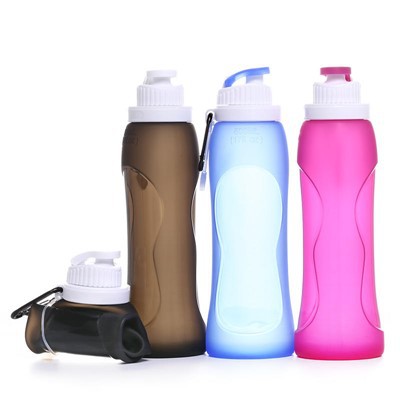
If you’re a café, gym, hotel, or any business looking for bulk water bottles (customizable with your logo, too!), we can work with you on minimum orders that fit your needs. We’re flexible, we ship fast, and all our products are tested to make sure they hold up to regular use, whether that’s hand washing or a quick cycle in the dishwasher. No more guessing if your bottles will survive daily use—we make sure that part is clear from the get-go.
Commute Water Bottle At the end of the day, checking if a water bottle is dishwasher-safe is all about paying attention to the little details: the symbols, the material, the insulation type, and the parts. Don’t just take the box label at face value. If the symbols are faint, check the product page. If you have to test, do it small first. And if you’re tired of dealing with bottles that don’t live up to their claims, reach out—we’re a small team that cares about our products, and we’d love to help you find the right water bottles for your needs.
References
- Food and Drug Administration (FDA) – Food Contact Materials: Plastics, 2022.
- International Bottled Water Association (IBWA) – Care and Cleaning Reusable Water Containers, 2021.
- Study on Plastic Durability in Dishwasher Cycles, Journal of Environmental Health, 2019, Volume 81, Issue 10.
- Insulated Beverage Container Seal Integrity Testing, Underwriters Laboratories (UL), 2020.
Polywell International
Polywell International is one of the most professional water bottle manufacturers and suppliers in China, featured by quality products and good price. Please rest assured to buy advanced water bottle made in China here and get quotation from our factory. Customized orders are welcome.
Address: Building 3, Chengzhou Industrial Zone, No.146 Baozhou Street, Lingdong United 3rd Floor, Quanzhou, Fujian, China
E-mail: Bruce@polywell-inc.com
WebSite: https://www.cndrinkware.com/
