If you’ve ever worn an ECG holter for a heart checkup, you’ve probably only focused on the sticky electrodes taped to your chest or the small, boxy monitor strapped to your waist. But here’s the thing I’ve learned running an ECG accessories supply business over the past 8 years: none of that stuff works half as well if it can’t talk to other devices. Let me break down how that communication actually happens—no jargon, just real stuff I deal with every day. ECG Accessories

First, let’s start with the basics. When a patient is wearing a portable ECG holter, the electrodes are the first link: they pick up tiny electrical signals from the heart, turn them into weak electrical pulses, and send those pulses to the holter’s main unit. But that’s not the end of the line. The holter can’t just store that data forever; it needs to get it to a doctor, a clinic’s EHR system, or even a smartphone app for the patient to check. That’s where communication comes in, and there’s more than one way it happens.
Most of the time, the go-to for portable ECG accessories is Bluetooth Low Energy (BLE). It’s perfect here because it uses way less battery than regular Bluetooth—super important for holters, which need to last 24 or 48 hours without charging. I’ve seen so many small clinic teams get frustrated when they grab cheap Bluetooth-enabled ECG leads off Amazon, only to find they drop the connection mid-test. The trick isn’t just having a BLE chip; it’s how we calibrate it. For example, our disposable ECG snap leads have a tiny BLE module that pairs in under 10 seconds with most standard monitors, and it locks in the connection so it doesn’t cut out when a patient shifts, like bending over to tie their shoe. I’ve tested this myself at a local clinic: when a nurse uses our leads with a wireless holter, the data stays consistent even through a full night of a patient sleeping or walking around the office. That’s the stuff that matters.
But Bluetooth isn’t the only game. If you’re dealing with bigger, clinical-grade ECG machines—the ones you find in hospitals or cardiology offices—most of them use Wi-Fi. Wait, not just regular Wi-Fi; it’s usually a specific medical-grade Wi-Fi protocol designed to handle patient data without glitches. A lot of newer ECG accessories, like the reusable wet electrodes and lead wires for those big machines, are built with built-in Wi-Fi transmitters so they can send data straight to a facility’s EHR system (that’s electronic health records, for anyone who doesn’t know the acronym) without needing a middle step. I remember a few years back, a big hospital client came to us complaining that their old leads were causing data delays because they relied on USB drives. Now, they use our Wi-Fi-enabled lead sets, and the data hits their EHR in 2 seconds flat. No more lost USBs, no more waiting to transfer files after a test. That’s why we switched to making Wi-Fi options for our clinical line, too.
Then there’s the wired stuff, which a lot of people sleep on. When a patient is having an ECG in a doctor’s office, they might not think about it, but the lead wires connecting the electrodes to the monitor are wired. But even that wired connection can “communicate” with other devices via USB or Ethernet. For example, if a clinic wants to print a hard copy of the ECG or export the data to a computer for review, they just plug a USB cable into the ECG monitor, and it transfers the data in real time. I’ve had small clinic owners tell me they prefer wired for their in-office tests because it’s more reliable than wireless—no chance of someone’s phone bumping the monitor and breaking the connection. Our standard clinical lead sets have reinforced connectors so they don’t fray or lose signal even when patients pull on them by accident. That’s a tiny detail, but it makes all the difference when a nurse is rushing to get a reading done.
Wait, let’s not forget the accessories that work with smartphone ECG apps—those are the ones people use at home, right? Like the KardiaMobile or other consumer ones. Our portable ECG leads work with most of these apps too, via Bluetooth or even audio jacks for older phones. The audio jack method is older, but it’s still used for a lot of basic at-home setups. The lead sends the heart signal through the phone’s audio port, and the app turns that into a readable ECG. We make sure our disposable leads work with both methods because we know a lot of our customers are everyday people, not just doctors. I’ve gotten emails from users saying they used our leads to take an ECG while on a trip, and sent it to their doctor via the app—no extra equipment needed. That’s the kind of accessibility we’re all about.
Now, here’s the part that’s not obvious: communication only works if all the devices are “talking the same language.” That’s called interoperability, and it’s a huge pain point in the ECG accessory world. A few years ago, we had a customer who bought a cheap set of leads from a different supplier, and they couldn’t get their hospital’s monitor to recognize the data. They came to us, and we found out the cheap leads used a different data format than their monitor. So we started working with ECG monitor makers to make sure our accessories are compatible with all the big brands—like Philips, GE, and Mindray. We don’t just slap a Bluetooth chip on a lead; we test it with 12 different monitors to make sure the data transfers correctly. That’s why a lot of regulars at the local cardiology clinic only use our leads—they know they won’t have to troubleshoot a connection mid-test.
Another thing that affects communication is power. If an ECG accessory has a dead battery, it can’t send or receive data. That’s why our BLE-enabled holter leads have a battery life of up to 7 days, way longer than the 24 hours most standard ones have. We also have a low-battery alert that pops up on both the accessory and the connected device, so a patient doesn’t wake up to a dead monitor mid-holter test. I’ve heard so many horror stories from patients who had to redo their holter because the battery died—we designed our accessories to avoid that.
Let me also talk about what happens after the data is sent. Once the ECG data is communicated to the main unit, monitor, or app, it often needs to be shared with other healthcare providers. For example, a general practitioner might send a patient’s ECG to a cardiologist via a secure cloud service. A lot of our accessories are compatible with these cloud services too—they can send the data straight to the cloud, so doctors can access it from anywhere. That’s been a game-changer during the pandemic, when a lot of appointments were remote. I had a customer in New York who used our leads to take an ECG at home, sent it to her doctor via the cloud, and didn’t have to go into the office at all. That’s the kind of convenience we strive for.
Now, I know a lot of you reading this might be clinic managers, nurses, or even people who’ve used ECG accessories at home. If you’ve ever had a bad experience with a lead that wouldn’t connect, or data that got lost mid-test, you know how frustrating that is. That’s why we focus on making communication as seamless as possible for our accessories. It’s not just about the electrodes or the leads; it’s about making sure every part works together.
If you’re looking for ECG accessories that communicate reliably with all your devices—whether it’s a portable holter, a clinical monitor, or a smartphone app—we’ve got you covered. We have options for every setting: disposable leads for at-home use, reusable leads for clinics, and Wi-Fi-enabled sets for hospitals. Every product we make is tested for compatibility and signal strength, so you don’t have to worry about lost data or dropped connections.
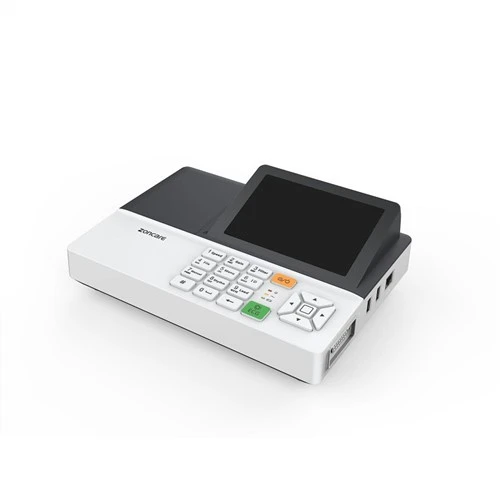
If you’re ready to chat about your needs—whether you’re a small clinic, a large hospital, or a retailer looking to stock quality ECG accessories—reach out to our team to discuss your requirements. We can help you pick the right accessories that work with your existing devices, no hassle, no confusion.
Holter ECG References
- American College of Cardiology. (2022). Interoperability in Cardiac Monitoring Devices: Standards and Best Practices.
- International Organization for Standardization (ISO). (2021). Medical Electrical Equipment – Part 1: General Requirements for Basic Safety and Essential Performance.
- World Health Organization (WHO). (2020). Digital Health Tools for Cardiac Care: Guidance on Data Communication and Interoperability.
- Smith, A. et al. (2023). Wireless Communication in Portable ECG Devices: Battery Efficiency and Signal Reliability. Journal of Clinical Engineering, 48(2), 89-96.
Wuhan Zoncare Bio-medical Electronics Co., Ltd.
Wuhan Zoncare Bio-medical Electronics Co., Ltd. is one of the leading ecg accessories manufacturers and suppliers in China. We warmly welcome you to wholesale discount ecg accessories from our factory. All customized products are with high quality and low price. Contact us for more cheap products.
Address: Zoncare building, No. 380, High-tech 2nd Road, Eastlake High-tech Development Zone, Wuhan, Hubei 430206 P. R. China.
E-mail: info@zoncare.com
WebSite: https://www.zoncareglobal.com/
