If you’re here, you probably know the pain of folding doors that feel more like a draft magnet than a barrier. As a folding doors supplier, I’ve heard this from homeowners, contractors, and remodelers a hundred times: you install them, they look sleek, but the wind whistles through the gaps, your HVAC works way harder than it should, and dust or bugs sneak in when you don’t want them to. The good news? Making your folding doors air-tight isn’t just a gimmick—it’s totally doable, and we’ve learned a ton from both our own installs and customer feedback over the years. Let’s break this down like we’re chatting over a coffee, no fancy engineering jargon (well, mostly). Folding Doors
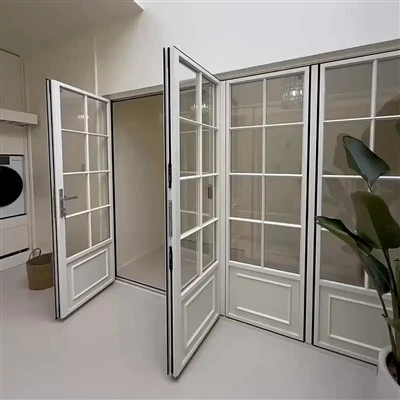
First, let’s get one thing straight: folding doors are inherently different from traditional hinged patio doors. They’re made of multiple panels that stack, so there are way more points where air can slip through—think the gaps between panels, along the top and bottom tracks, and the edge where the outermost panel meets the wall frame. A lot of people skip addressing these specific spots, and that’s where the air leaks happen. I’ve seen so many customers cut corners here: they install basic foam weatherstripping and call it a day, but that’s the wrong move for folding doors. What works for a single hinged door usually doesn’t for these sliding, folding ones.
Let’s start with the biggest culprit: the gaps between the folding panels. Standard adhesive foam weatherstripping is easy, but it compresses over time, especially when you’re folding and unfolding the door hundreds of times a year. That’s why we switched to EPDM rubber bulb weatherstripping for our pre-installs. Wait, EPDM? That’s just a fancy way to say a type of rubber that stands up to temperature changes, sun, and moisture way better than foam. Here’s the trick: instead of putting it along the flat face of each panel, you want to mount it on the meeting stiles (the vertical edges of each panel that touch when the door is closed). The bulb shape compresses just enough when the panels lock together to seal the gap, but it doesn’t get flattened permanently after a few uses. I’ve had customers tell us their doors still feel tight three years later, and that’s exactly from this little upgrade. Pro tip: don’t cheap out on thin rubber strips. The thicker the bulb, the better the seal, just make sure it’s not so thick that the panels won’t fold smoothly.
Next up, the tracks. A lot of folding door leaks come from the top and bottom channels that the panels slide on. Over time, dirt, leaves, or even just regular wear can make the tracks uneven, creating gaps where air can flow through. First, make sure your tracks are installed level. I know, it sounds basic, but we’ve had jobs where the contractor didn’t check for level, so one end of the track is slightly higher than the other. That means the bottom of the panels don’t sit fully in the track, leaving a gap. If your tracks are already installed wrong, you can shim them with small plastic or metal shims (available at any hardware store) to level them out. Then, add track seals. We use a flexible PVC track insert that lines the inside of the bottom track— it acts as a buffer between the bottom of the panel and the track, sealing any tiny gaps. For the top track, a similar PVC seal works, but you have to make sure it’s not too tight; if it catches on the top of the panel, it’ll cause friction and make the door hard to fold.
Wait, what about the head jamb (the top edge where the outermost panel meets the wall) and the side jambs? That’s another spot people miss. A lot of folding doors come with basic foam gaskets here, but again, foam breaks down fast. We recommend adding a secondary seal here: a magnetic weatherstripping strip. Yeah, magnetic. It’s easy to install—just stick it to the jamb, and the outermost panel has a metal strip that lines up with it when the door is closed. The magnetic pull creates an extra tight seal, way better than just pushing a panel up against a plain jamb. I’ve had customers in really windy areas tell us this single addition cut their energy bills by almost 10% in a year. That’s no joke.
Now, let’s talk about a common mistake people make: ignoring the hardware. The locking mechanism on folding doors isn’t just for security—it’s for sealing. If your lock isn’t adjusted right, the outermost panel might not be pulled tight against the jamb, leaving a gap. Most folding door locks have adjustment screws on the side of the lock; a quick turn with a screwdriver will pull the panel a little tighter. Same with the hinges between the panels: if they’re loose, the panels can shift, creating tiny gaps where air gets through. Tightening the hinges every 6 months (like, twice a year) is a small task that makes a huge difference. I always tell our customers: set a reminder on your phone for “door hinge check” in spring and fall—seasonal changes can make metal expand or contract, loosening things up.
What if you have older folding doors, not ones you bought from us? No worries, these tips work for almost any brand. But if you’re dealing with really old doors, you might need to upgrade the entire weatherstripping system, not just patch a few spots. A lot of older doors have metal frames that can warp over time, which creates gaps. If that’s the case, you can add a vinyl reveal seal around the entire frame to cover small warps. It’s a thin strip of vinyl that fits over the edge of the frame, so even if the frame is slightly bent, the seal covers the gap. That’s way cheaper than replacing the entire door frame.
Wait, let’s not forget about air pressure. A lot of people don’t realize that wind or a running HVAC system can create negative or positive pressure in your house, which makes air leak through even tiny gaps. So, if you’re serious about air-tightness, make sure your home is balanced—meaning there’s a way for air to escape and enter, not just your HVAC pushing air out. If your house is really air-tight already (like, you installed new windows and insulation), that can make folding door leaks worse because the pressure difference is bigger. A small exhaust fan in a bathroom or a make-up air vent will balance the pressure, so your folding doors seal better. It’s a simple fix that a lot of people don’t know about.
Now, let’s talk about testing. How do you know if your folding doors are actually air-tight enough? The old “hand test” works: close the door, turn off all the fans in your house, hold your hand around the gaps, and feel for air. If you can feel a draft, that’s where you need to seal. Another test: light an incense stick and hold it near the gaps—if the smoke bends, you’ve got a leak. That’s way easier than trying to measure it with fancy tools. If the smoke goes straight, you’re good.
I should also mention what not to do. Don’t use caulk on moving parts, like the meeting stiles or tracks. Caulk is permanent, so if you ever need to fold the door for maintenance, you’ll have to cut the caulk, which damages the door. Stick to weatherstripping that’s flexible, so it moves with the panels. And don’t use cheap adhesive-only weatherstripping; it’ll fall off after a few months, especially if your doors are exposed to rain or sun. Invest in the good stuff, it saves you money in the long run.
As a folding doors supplier, I’ve spent years testing these methods on hundreds of jobs, and the ones that work consistently are the ones we use for our own products. We recently rolled out a new line of folding doors with built-in EPDM bulb seals and magnetic jamb seals, and our customers have been raving about how much more comfortable their homes are. But even if you don’t buy our doors, these tips will work for almost any folding door you have.
If you’re looking to upgrade your folding doors’ air-tightness, or you’re in the market for new doors that are built to be tight right out of the box, we’d love to chat. We work with homeowners, contractors, and remodelers to find the right solution for your space, no matter the size or style. Don’t let drafts or high energy bills hold you back—reach out to us to get pricing, ask questions, or schedule a consultation. We’re here to make sure your folding doors work as hard as you do, not against you.
Outdoor Products References
- International Energy Conservation Code. (2021). Residential Folding Door Air Sealing Requirements.
- ASTM International. (2019). Standard Specification for EPDM Rubber Weatherstripping for Exterior Doors and Windows.
- U.S. Department of Energy. (2022). Air Leakage Through Exterior Doors: Best Practices for Sealing and Maintenance.
- National Association of Home Builders. (2020). Testing Methods for Exterior Door Air Tightness in Residential Construction.
Foshan Hoview Windows and Doors Co., Ltd.
Foshan Hoview Windows and Doors Co., Ltd. is one of the most professional folding doors manufacturers and suppliers in China. Please feel free to buy durable folding doors in stock here and get quotation from our factory. All customized products are with high quality and competitive price.
Address: No. 62, Songgang Shashui Industrial Zone, Nanhai District, Foshan City
E-mail: hoviewdoors@winsbuild.com
WebSite: https://www.hoviewwindows.com/
